

Green Issues
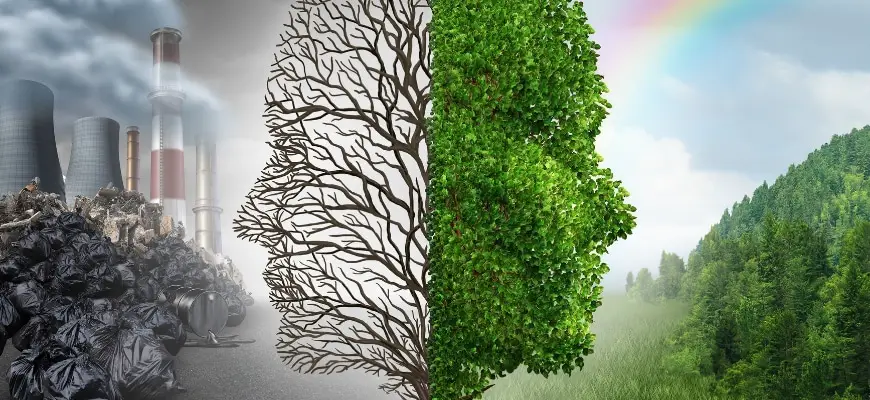
AIR, WATER, SOIL, NOISE AND THERMAL POLLUTIONS
< by- Fahad Mushtaq Makhdoomi>
AIR POLLUTION: When air is contaminated by unwanted substances, which have a harmful effect on both the living and the nonliving, it is referred to as air pollution. Air pollution occurs when the air contains gases, dust, fumes or odor in harmful amounts. That is, amounts which could be harmful to the health or comfort of humans and animals or which could cause damage to plants and materials. Thus, Air pollution refers to any physical, chemical or biological change in the air. It is the contamination of air by harmful gases, dust and smoke which affects plants, animals and humans drastically. There is a certain percentage of gases present in the atmosphere. An increase or decrease in the composition of these gases is harmful to survival. This imbalance in the gaseous composition has resulted in an increase in earth’s temperature, which is known as global warming.

Burning of Fossil Fuels
The combustion of fossil fuels emits a large number of harmful gases like SO2, CO2, CO, SO3, NO2. These gases have a drastic impact on environment especially on atmosphere
Automobiles
The gases emitted from vehicles such as jeeps, trucks, cars, buses, etc. pollute the environment. These are the major sources of greenhouse gases and also result in diseases among individuals.
Agricultural Activities
Ammonia is one of the most hazardous gases emitted during agricultural activities. The insecticides, pesticides and fertilizers emit harmful chemicals in the atmosphere and contaminate it.
Factories and Industries
Factories and industries are the main source of carbon monoxide, organic compounds, hydrocarbons and chemicals. These are released into the air, degrading its quality.
Mining Activities
In the mining process, the minerals below the earth are extracted using large pieces of equipment. The dust and chemicals released during the process not only pollute the air, but also deteriorate the health of the workers and people living in the nearby areas.
Domestic Sources
The household cleaning products and paints contain toxic chemicals that are released in the air. The smell from the newly painted walls is the smell of the chemicals present in the paints. It not only pollutes the air but also affects breathing.
Effects of Air Pollution:
Diseases--> Air pollution in a reason for rising causes of breathing problems and even cancer.
Global Warming--> Due to the emission of greenhouse gases, there is an imbalance in the gaseous composition of the air. This has led to an increase in the temperature of the earth.
Acid Rain--> Acid rain is a measure threat which has a potential to destroy structures and also effect vegetation and crops.
Ozone Layer Depletion--> Ozone protected us from harmful UV rays from sun but due to air pollution it has consequently depleted and caused much devastation.
The following measures can be adopted to control air pollution:
Monitoring Air Quality.
Controlling automobile exhausts.
Safer fuels or using Electric options.
Afforestation.
SOIL POLLUTION: Soil pollution is defined as the presence of toxic chemicals (pollutants or contaminants) in soil, in high enough concentrations to pose a risk to human health and/or the ecosystem. In the case of contaminants which occur naturally in soil, even when their levels are not high enough to pose a risk, soil pollution is still said to occur if the levels of the contaminants in soil exceed the levels that should naturally be present.
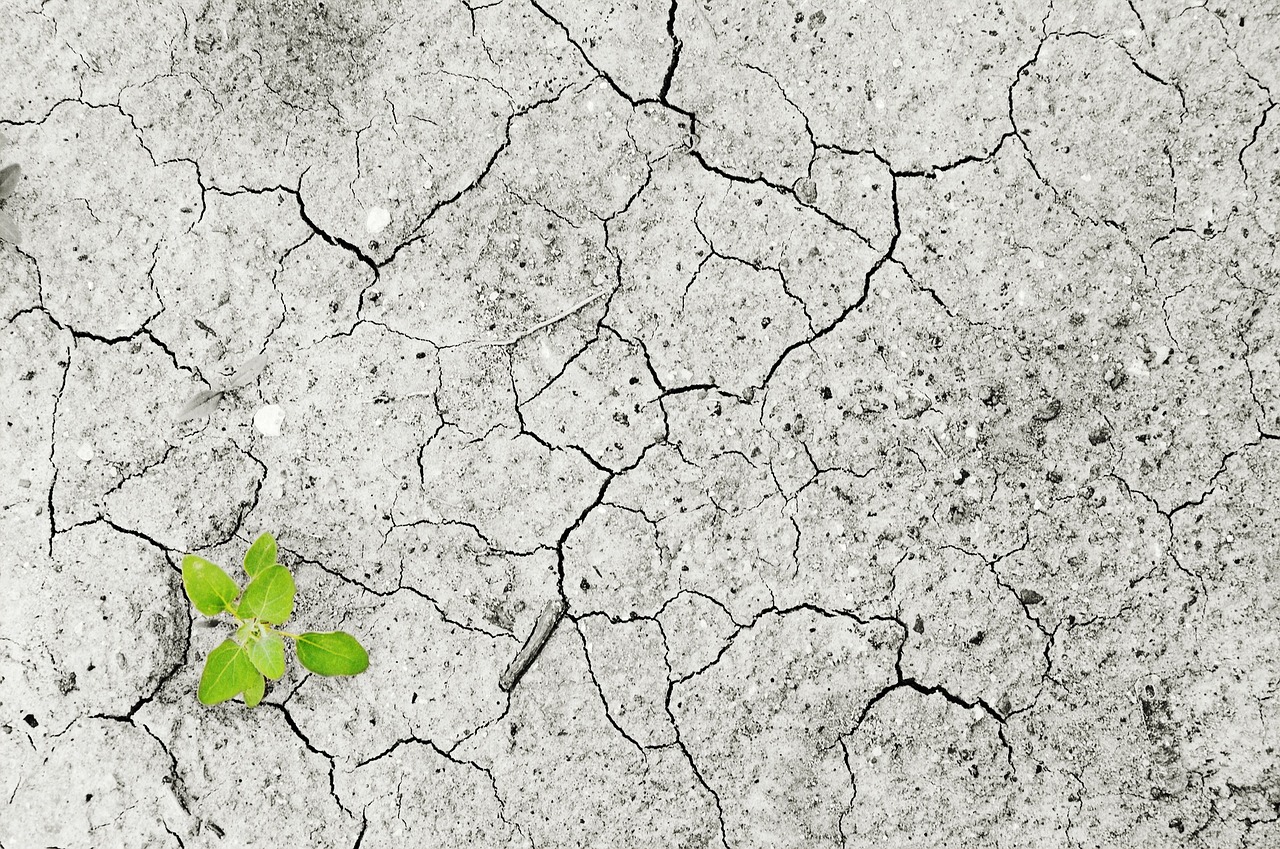
Causes of soil pollution:
Heavy use of pesticides and chemicals that are used in agricultural services.
Mining activities which tend to remove fertile top layer and add chemicals and harmful ,metals in soil.
Dumping waste on open lands and dumping polythene in the soil.
Industrial waste which destroys large portions of land with chemicals and oils.
Effects of soil pollution may account to:
Loss of cultivable land thus leading to food crisis.
Death of microorganisms and bacteria which are important for maintaining soil fertility.
Health effects caused by contact with contaminated soil.
Control:
Using ecofriendly pesticides and herbicides.
Following the principle of 3R’s to reduce waste production.
Waste control and dumping only biodegradable waste and using safer methods for plastic and metal disposal.
Education and awareness.
WATER POLLUTION: Water pollution occurs when harmful substances often chemicals or microorganisms—contaminate a stream, river, lake, ocean, aquifer, or other body of water, degrading water quality and rendering it toxic to humans or the environment. Water pollution is the contamination of water bodies, usually as a result of human activities. Water bodies include for example lakes, rivers, oceans, aquifers and groundwater.

Water is mainly polluted due to:
Dumping waste and chemicals.
Using fertilizers and pesticides.
Mining and metallurgical activities.
Industrial waste and harmful chemicals.
Ship waste and oil leakage.
Effects:
Less availability of fresh water.
Serious health issues due to consumption of unhygienic water.
Loss of marine and aquatic life.
Disturbances in water cycles.
Measure for the control and prevention of water pollution:
The domestic sewage and the industrial waste should be properly treated before it is disposed into waterways.
Treatment of industrial effluents: Industrial effluents should be properly treated to remove the pollutants.
Recycling is one of the best methods of prevention and control of water pollution.
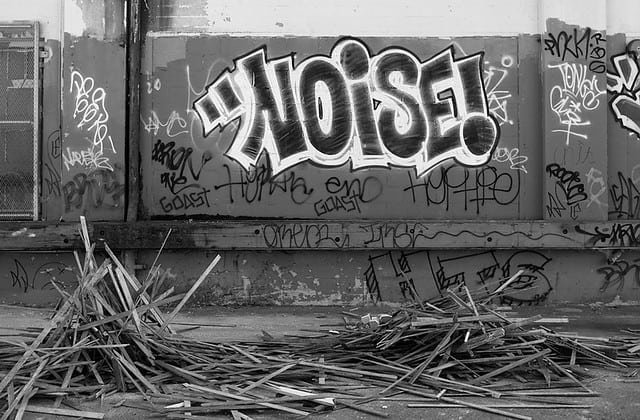
Noise pollution is commonly generated:
By industrial facilities and some other workplaces
From highways and road traffic.
Railway and airplane traffic.
And from outdoor construction activities.
Gian and related music.
Effects:
Noise pollution is harmful to human health and poses risks of heart diseases.
It can cause disturbance to animal life.
Stress is a related effect of noise pollution.
Control:
Inspection of working quarters.
Using noise barriers.
Limiting speed of traffic.
Planning before implementation.
Thermal pollution: Thermal pollution is any deviation from the natural temperature in a habitat and can range from elevated temperatures associated with industrial cooling activities to discharges of cold water into streams below large impoundments. Thermal pollution in causing concern in our time is defined as a sudden increase or decrease in temperature of a natural body of water, which may be ocean, lake, river or pond by human influence. This normally occurs when a plant or facility takes in water from a natural resource and puts it back with an altered temperature. Usually, these facilities use it as a cooling method for their machinery or to help better produce their products.

Causes:
Industries using water as coolant or other uses.
Consistent soil erosion causes water bodies to rise, making them more exposed to sunlight.
Natural causes like volcanoes, geothermal vents and hot springs under the oceans and seas can trigger warm lava to raise the temperature of water bodies.
Effects:
Floods and Tsunamis are more likely to occur as water level rises.
Disturbance to various forms of lives and loss of biodiversity.
Decrease in oxygen level in water.
Increase in toxins.
Control:
Cooling ponds or reservoirs are the simplest methods of controlling thermal discharges.
Cooling towers are designed to control the temperature of water to make the cooling process more effective.
Artificial lakes are man-made water bodies that offer a possible alternative.
Industrially treated water can be recycled for domestic use or industrial heating that the problem of thermal pollution can be mitigated.
A share would be appreciated;

 Posts
Posts


0 Comments